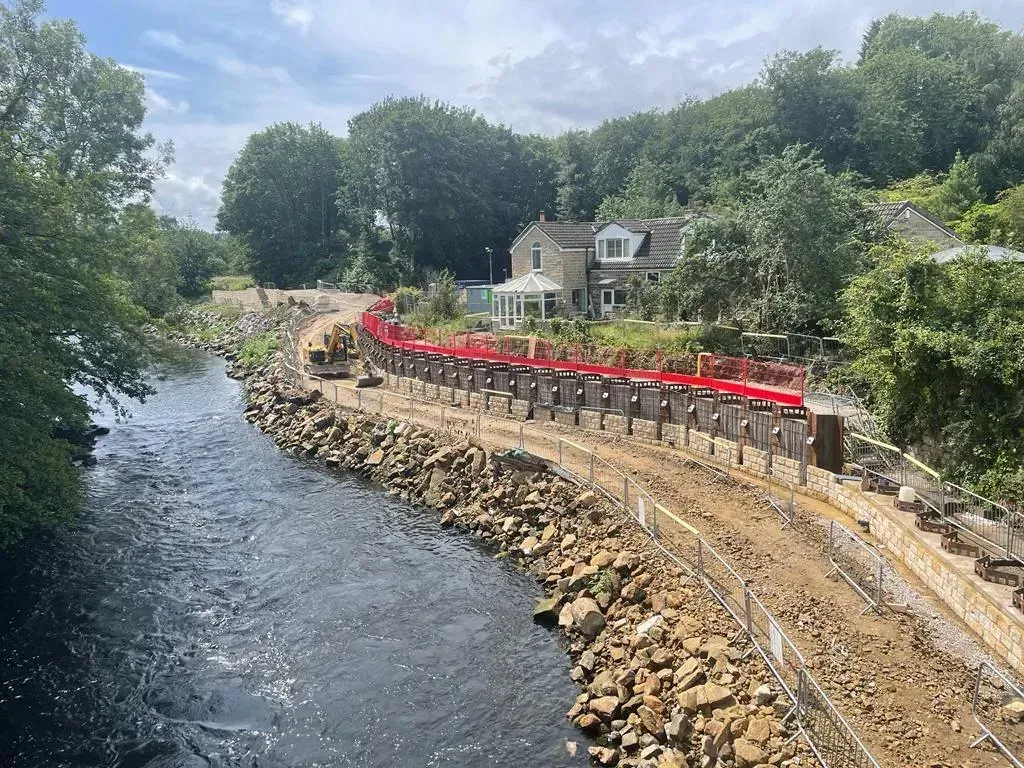
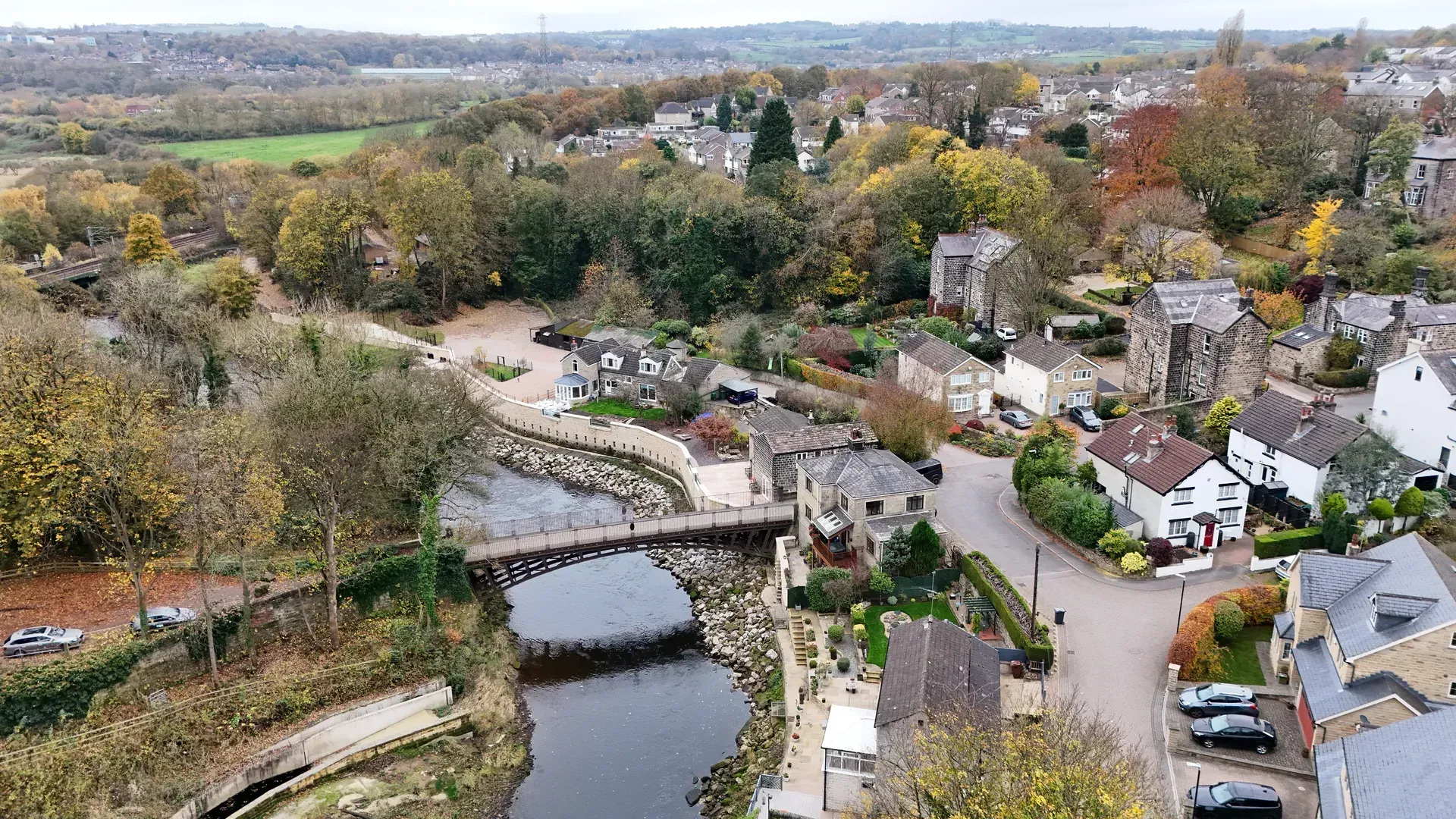
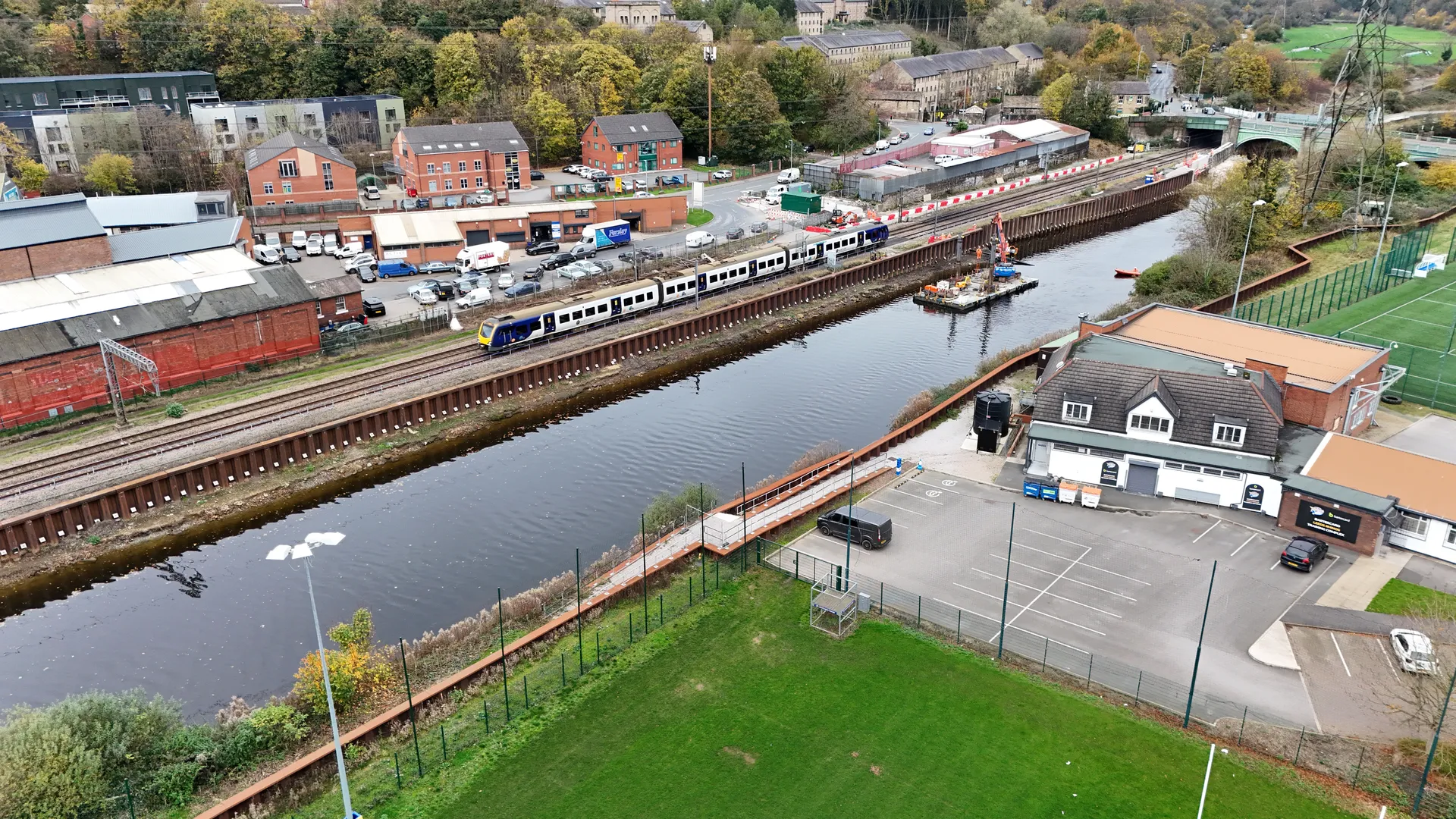
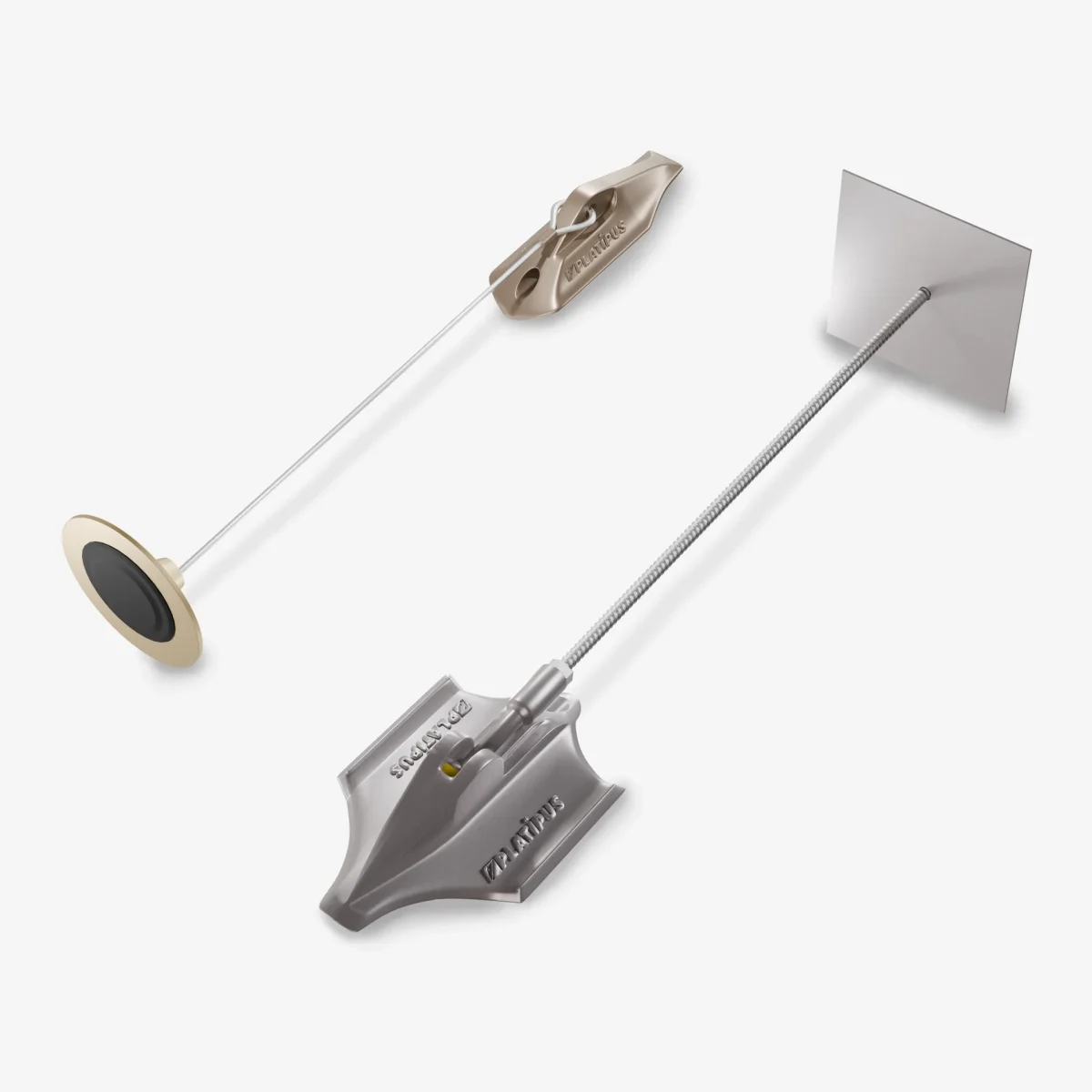
Following the devastating Leeds Boxing Day floods in 2015, the Leeds Flood Alleviation Scheme was commenced, investing £200 million to protect 4,000 homes and businesses in the River Aire catchment area, and protect over 33,000 jobs in Leeds. Early geotechnical investigations revealed that owing to ground conditions encountered, sheet piling would not reach a sufficient drive depth to prevent deflection. In these areas it therefore became necessary to use Platipus Percussion Driven Earth Anchors (PDEA®) to provide support, which was specified from the initial design process. Three areas were identified, Wyther Lane, Newlay Bridge, and Kirkstall Bridge, which was divided further into three sections due to variations in soil conditions.
Leeds Flood Alleviation Scheme – UK
Minova supported the Leeds Flood Alleviation Scheme with permanent earth anchoring, strengthening sheet piled defences to protect homes, jobs and critical infrastructure.
Sector / Application
Overview
Solution
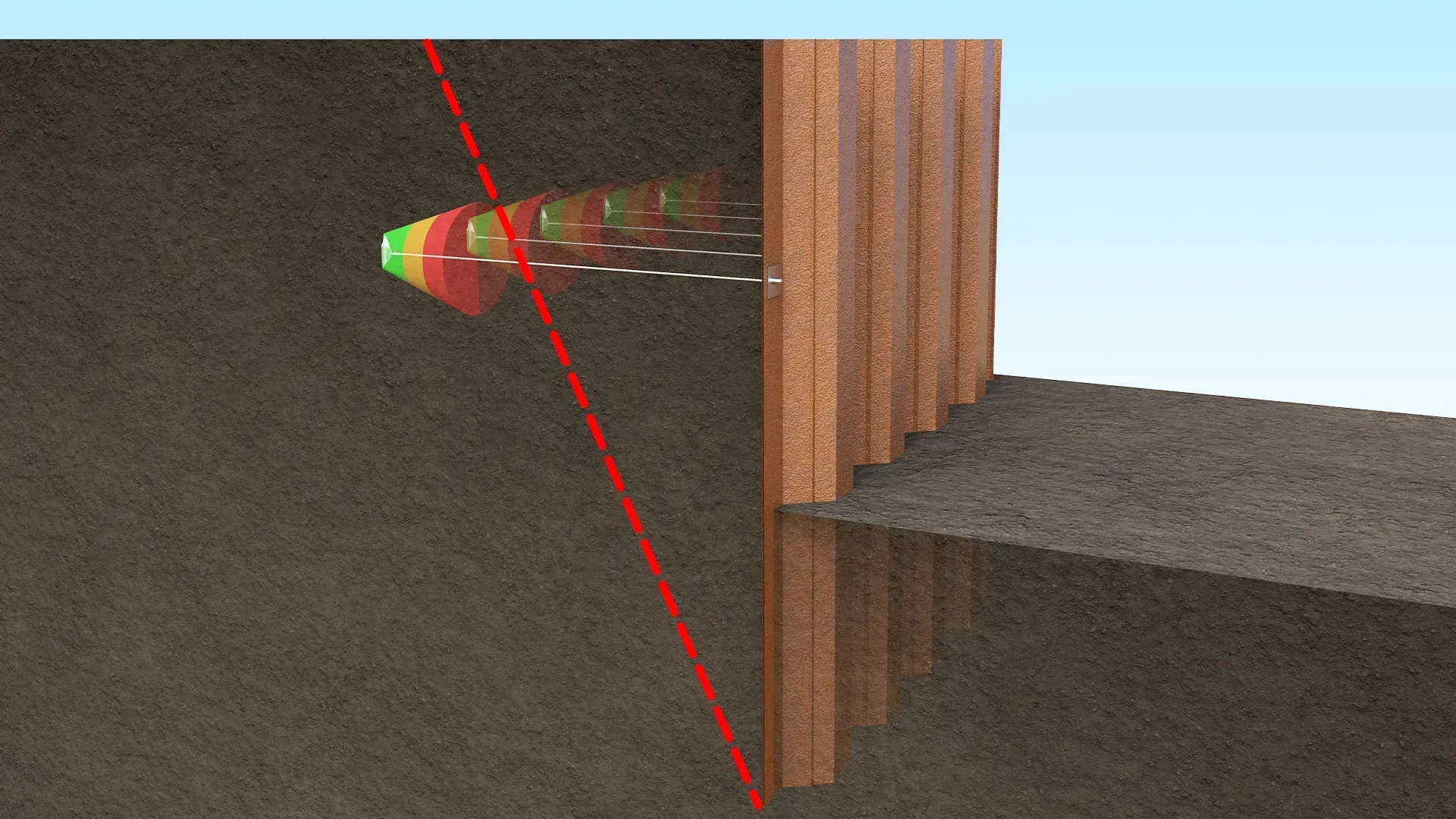
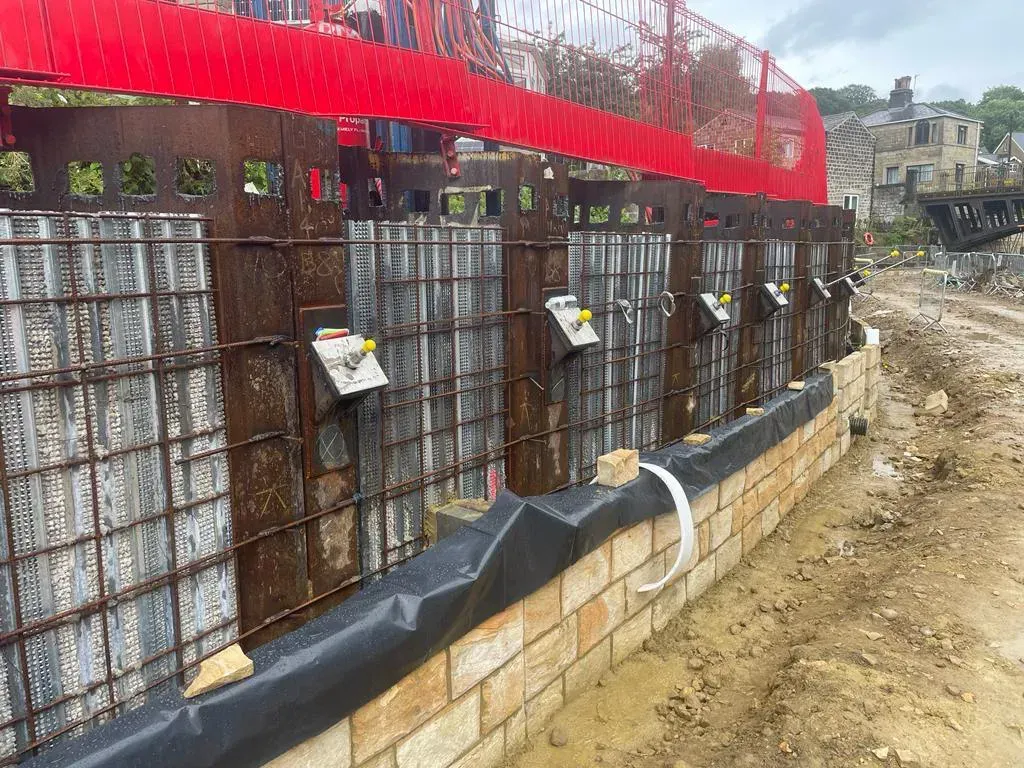
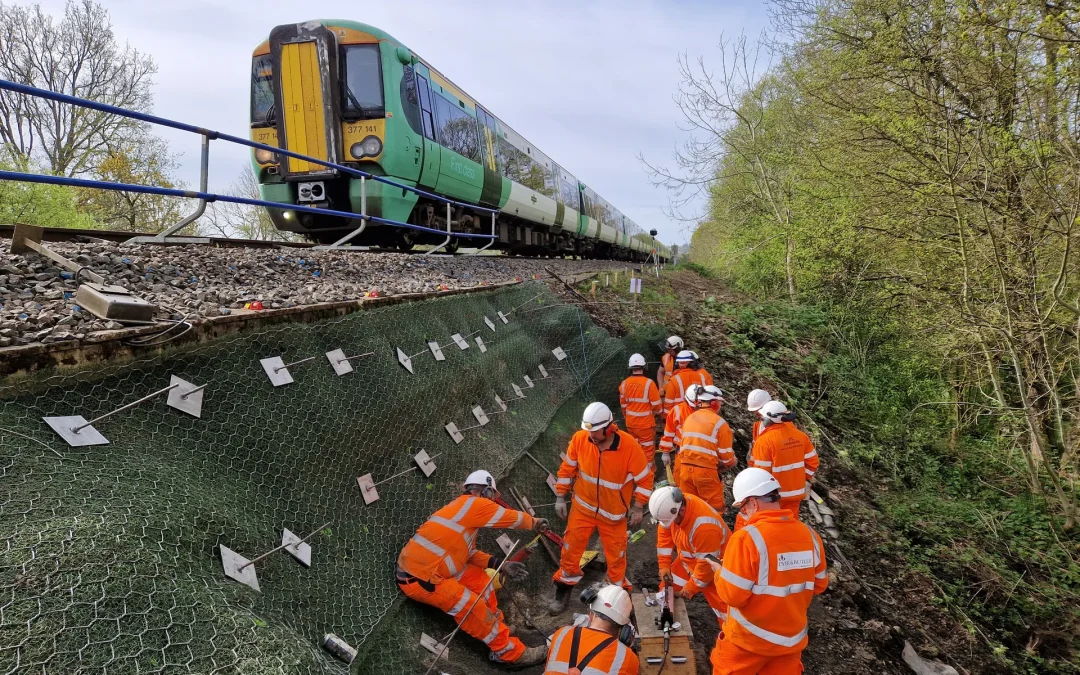
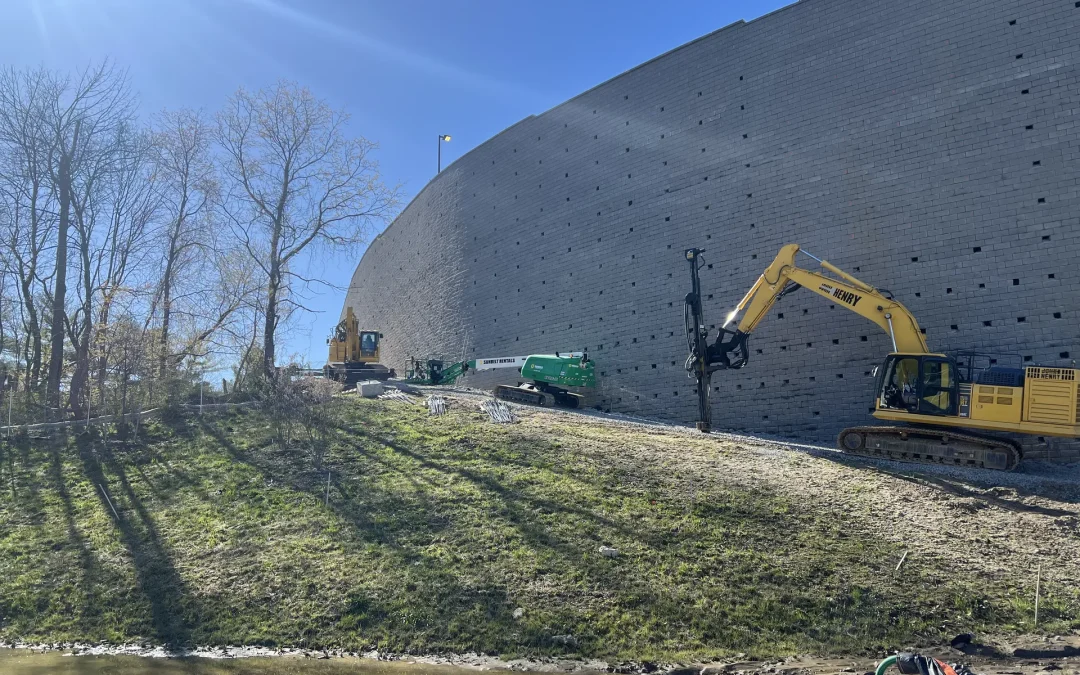
Following site tests at each location, a suitable anchor scheme was devised to suit the varying requirements. All locations used Platipus BAT Anchors with threaded bar driven at 1.2m horizontal centres to an 8m depth at a 25° declination, providing a permanent anchoring solution. To facilitate the angle of anchor installation a combination of angled brackets and load plates with domed nuts were used. Wyther Lane required 17 anchors, with 171kN proof loads along a 20m length, while Newlay Bridge required 53 anchors along a 46m length. Lastly, Kirksall Bridge required 288 anchors over a total of 340m, with the specified drive depth and angle allowing the necessary 5.5m clearance beneath the adjacent railway line track formation. Where an aesthetic finish was necessary, the sheet piling was clad with masonry blocks. In locations where anchor terminations were exposed, they were recessed where possible in the sheet pile in-pan to provide protection from floating debris.